
Building Transitional Housing Fast After the Maui Wildfires
share this Post
When a disaster destroys homes and infrastructure, the first phase of recovery is restoring stability for people and families. In August 2023, high winds and dry conditions fueled wildfires across Maui, with the historic town of Lāhainā experiencing catastrophic loss. More than 2,200 structures were destroyed, and more than 100 lives were lost, making it the deadliest U.S. wildfire in more than a century.
The road to recovery can be long. Transitional housing and other safe temporary living environments can help families regroup, protect health and well-being, and move forward while permanent rebuilding continues. Gulf Land Structures supported this work by delivering modular housing for displaced residents under an accelerated emergency timeline.
Overview
Following the 2023 wildfires in Maui, the Federal Emergency Management Agency (FEMA) activated direct temporary housing options to support individuals and families who were displaced.
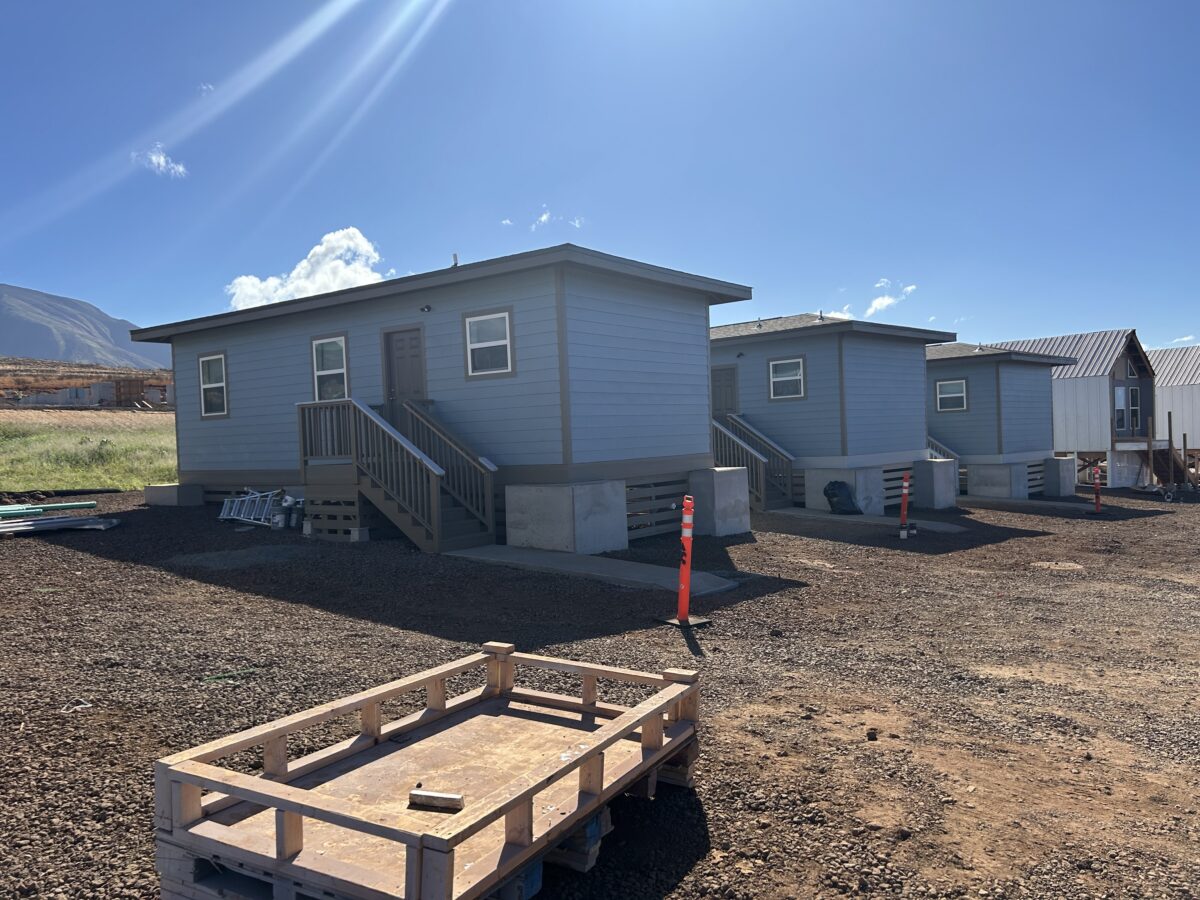
Under FEMA’s Direct Temporary Housing Program, wildfire survivors may receive interim housing solutions, such as modular units known as Alternative Transportable Temporary Housing Units (ATTHU), which may be placed on a homeowner’s lot or on approved secondary sites.
Gulf Land Structures was engaged by Acuity International, the prime contractor supporting FEMA’s direct temporary housing mission, to design, fabricate, furnish, and deliver these modular units. Gulf Land also coordinated logistics and approvals to support the recovery effort in areas such as Lāhainā.
Scope
Gulf Land Structures provided end-to-end delivery of the Maui ATTHU units, including design, fabrication, furnishing, logistics, and permitting support.
Gulf Land designed the units in direct coordination with FEMA engineers to align with the agency’s structural and livability standards. The design also incorporated U.S. Department of Housing and Urban Development (HUD) performance requirements and applicable building codes for transitional housing.
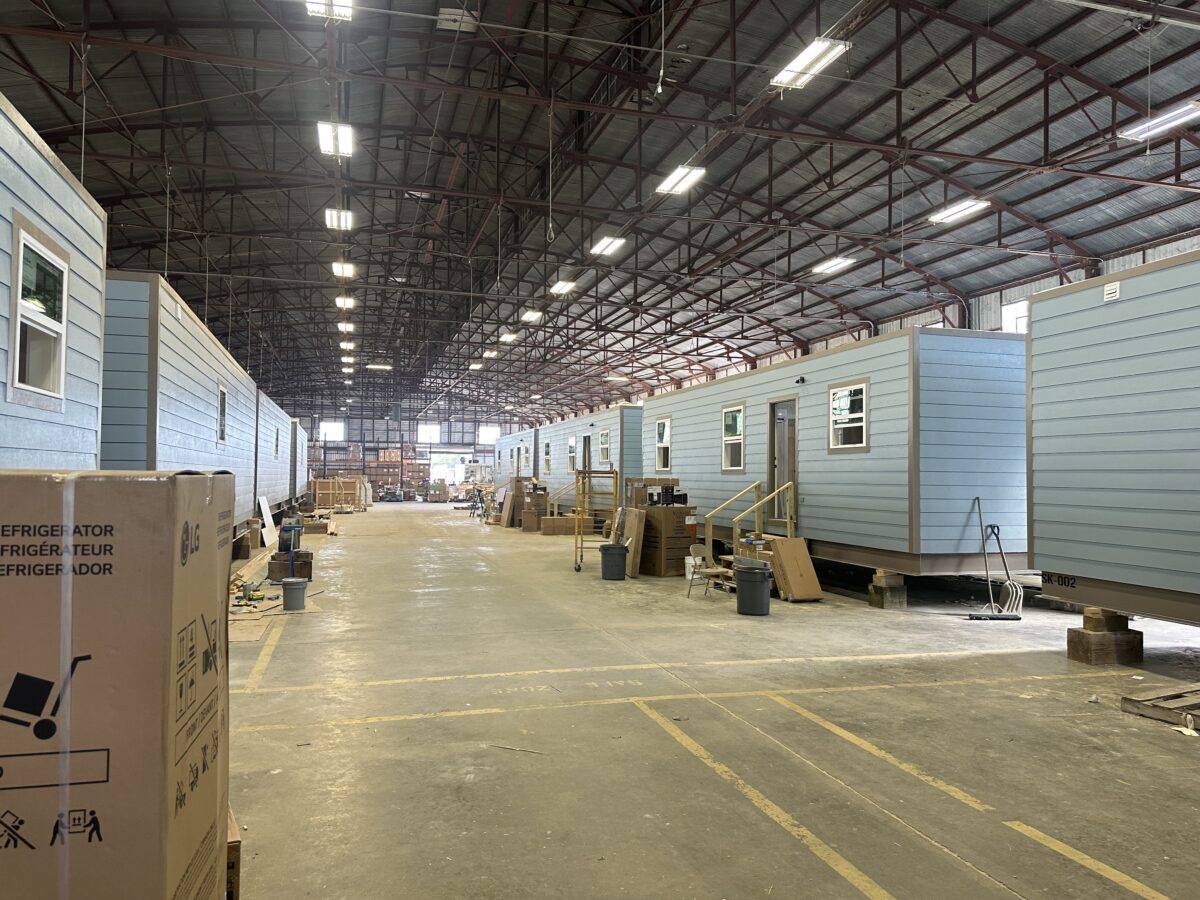
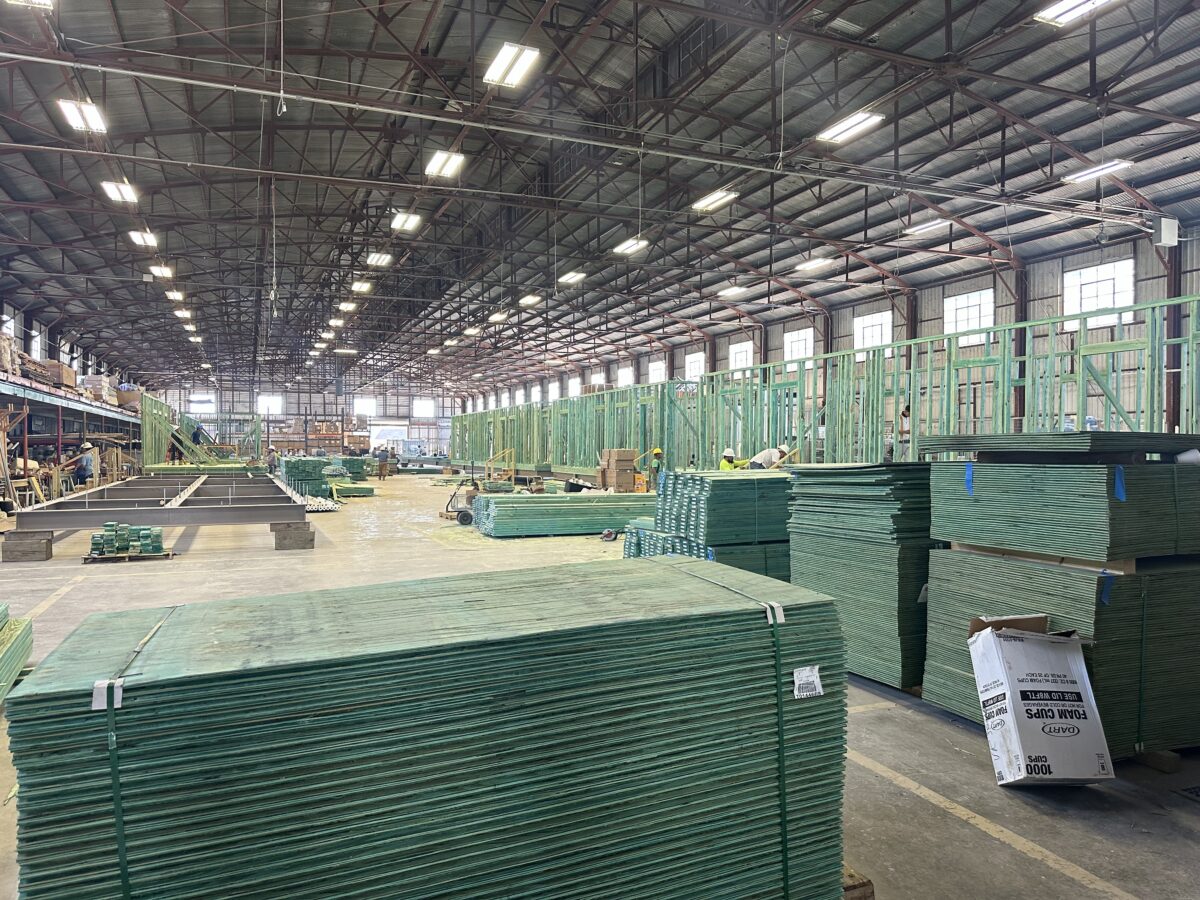
To meet the emergency timeline, Gulf Land expanded its production footprint to 145,000 square feet by operating across its 90,000-square-foot manufacturing complex in Lafayette and a 55,000-square-foot leased satellite facility. This dual-site setup supported parallel fabrication, outfitting, and quality assurance and quality control (QA/QC).
In parallel, Gulf Land coordinated approvals for unit placement and utility integration on Maui. This included coordination with Hawaii-based architects and engineers, as well as the Maui County Permitting Office. Workstreams included site adaptation drawings, foundation alignment, and zoning compliance to support installation readiness.
Solution
Gulf Land served as both modular manufacturer and design integrator, using a compliance-first workflow that connected unit design, inspection, documentation, permitting coordination, and delivery under an emergency timeline.
Key elements included:
- Direct coordination with FEMA engineers to align unit design with FEMA structural and livability standards
- Integration of HUD performance requirements and applicable IBC, Hawaii, and Maui building code considerations for transitional housing
- Embedded FEMA and HUD inspection oversight on-site throughout production, from framing and insulation through finishing and furnishing
- A synchronized internal QA/QC documentation process to document and certify compliance in real time
- End-to-end logistics coordination, including maritime transport to the Port of Kahului, barge sequencing, inspection handoffs, and on-site delivery coordination
Results
The FEMA ATTHU Program for Maui demonstrates Gulf Land’s ability to execute large-scale emergency housing delivery under intense schedule pressure while meeting federal compliance expectations and local permitting requirements.
By expanding production capacity, supporting embedded inspection workflows, coordinating approvals for placement, and managing end-to-end logistics to Maui, Gulf Land helped advance transitional housing delivery for displaced residents through a fully integrated modular approach.
Partner with Gulf Land for Emergency and Remote Modular Housing
Gulf Land Structures delivers modular building solutions that support time-sensitive housing needs, including design, engineering integration, fabrication, furnishing, logistics, and permitting coordination. We help clients navigate complex compliance requirements while maintaining the production speed and quality control needed for large-scale deployments.
Learn more about Gulf Land’s modular housing capabilities and how we support emergency-response and transitional housing programs.